Washroom Hygiene
How to Clean a Toilet Properly: A Step-by-Step Guide
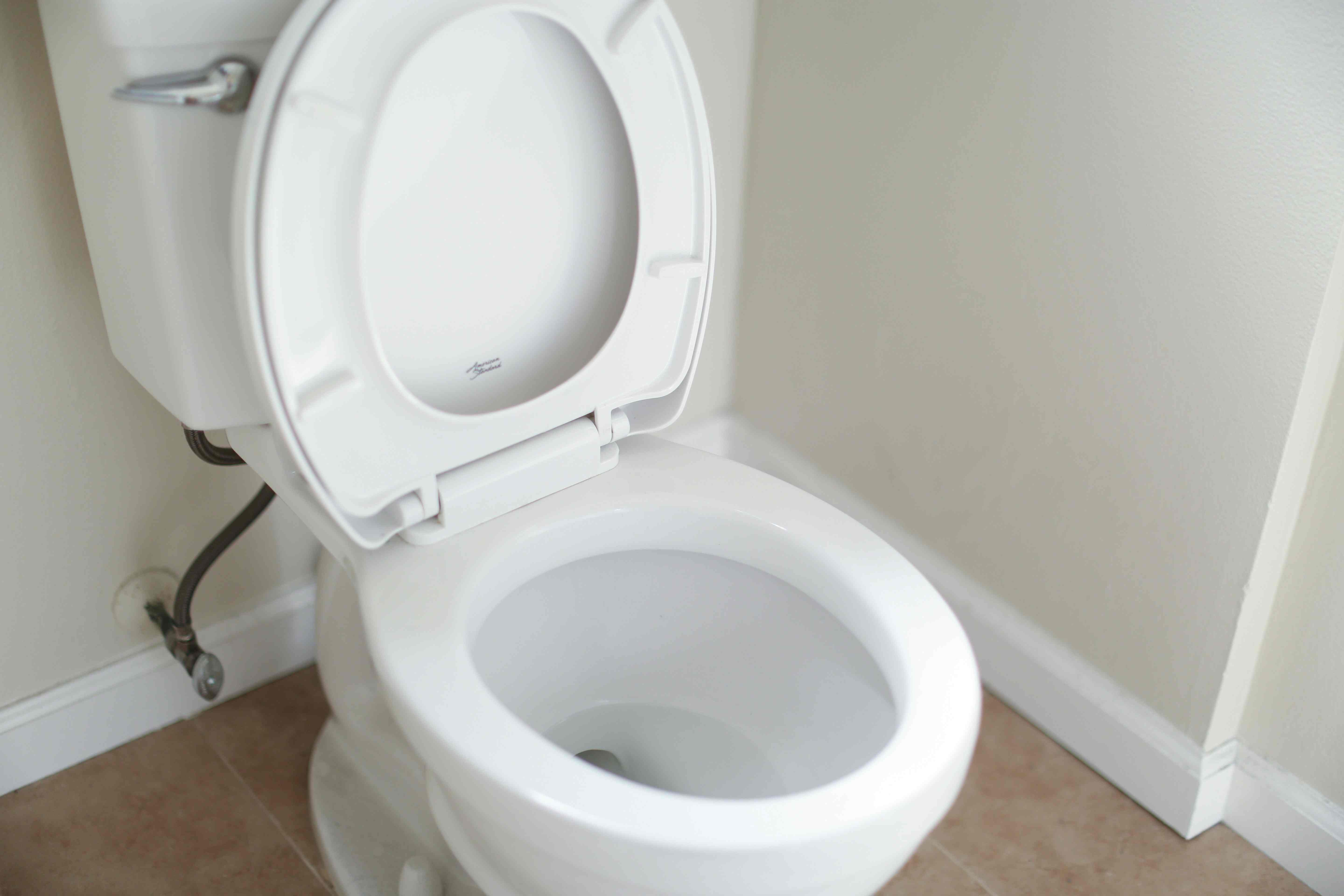
Learn how to clean a toilet properly: supplies, a nine-step method, common mistakes and how often to clean at home or in an office washroom.
Cleaning a toilet is nobody’s favourite job, but it matters more than almost any other cleaning task. Done properly and regularly, it removes stains, mineral deposits, odours and the germs that build up on surfaces everyone touches.
This guide covers what you need, the order to work in, the mistakes that undermine good cleaning, and how often to do it, whether you are looking after a home, an apartment or a busy office washroom. It is written by the team at Brisbane Integrated Facilities Support Limited, which provides cleaning and washroom hygiene services in Nairobi and surrounding areas.
What you need
Gather everything first. It saves time and reduces the risk of carrying contamination to other rooms.
- A good toilet brush that reaches under the rim and is comfortable to hold. Replace it when the bristles are worn or bent.
- Toilet bowl cleaner made for toilets. Follow the label, including the contact time, and do not assume every product disinfects.
- A surface cleaner or disinfectant for the seat, lid, cistern, flush button or handle and the floor around the toilet.
- Dedicated cloths or disposable paper towels, kept separate from anything used in kitchens or on desks.
- Gloves and any protective equipment the product label asks for.
- A small detail brush for hinges and corners, waste bags, a mop and floor solution, and wet-floor signs in commercial premises.
Safety first: never mix bleach-based products with acidic toilet cleaners, ammonia or other chemicals. The fumes can be dangerous. Use one product at a time and keep the room ventilated.
How long does it take?
A routine clean usually takes around 15 to 20 minutes, depending on the condition of the toilet and how long the product needs to work. Heavily stained toilets and busy commercial washrooms need longer.
Step-by-step: how to clean a toilet
- 1. Prepare the area. Put on protective equipment, open a window or switch on the extractor, and gather your supplies. In shared or commercial washrooms, put up wet-floor signs and manage access so nobody slips or touches cleaning chemicals.
- 2. Apply the toilet bowl cleaner. Apply it under the rim and around the inside of the bowl as directed. Leave it for the recommended time. While it works, clean the exterior with separate cloths. For routine cleaning there is usually no need to lower the water level.
- 3. Scrub the bowl. Use the brush to scrub under the rim, the sides, the waterline and any visible stains or mineral deposits. Keep the brush head inside the bowl to reduce splashing. For stubborn deposits, use a product made for that purpose instead of combining chemicals.
- 4. Flush. Flush as the product instructions say. If the toilet has a lid, close it first to reduce droplets, but remember that this does not remove all contamination, so surrounding surfaces still need cleaning.
- 5. Clean the seat and lid. Using a suitable cleaner or disinfectant and a dedicated cloth, clean both sides of the seat and lid, paying attention to edges and hinges. Observe the label’s contact time and say whether to wipe or rinse afterwards.
- 6. Clean the cistern and flush controls. Wipe the outside of the cistern, flush button or handle and other accessible surfaces. These are touched constantly and often missed.
- 7. Clean the base and the floor. Clean the outside of the base and the floor around it, including corners and the space behind and beside the toilet. Leave the floor safe and dry enough to avoid slips.
- 8. Look after the brush. Remove excess water, clean the brush as the manufacturer advises and let it dry before returning it to a clean holder. Do not rinse it in a bath or shower used for washing. Clean the holder regularly.
- 9. Dispose of waste and wash your hands. Dispose of disposable materials properly, store reusable equipment separately from other cleaning tools, remove gloves safely and wash your hands thoroughly with soap and water.
Six common mistakes to avoid
- 1. Using the wrong product. Read the label and use cleaners made for each surface. Never mix chemicals or decant them into unlabelled containers.
- 2. Ignoring touchpoints. Cleaning only the bowl leaves the seat, flush control, cistern and surroundings dirty.
- 3. Reusing cloths. A cloth used for the toilet should never be used on kitchen counters, desks or other clean surfaces.
- 4. Neglecting the brush and holder. A damp, dirty holder develops odours and spreads contamination.
- 5. Using in-tank tablets without checking. Some products can affect rubber seals and other components, depending on the formulation and the toilet. Check the manufacturer’s guidance first. Not every tablet is harmful, and not every tablet is suitable for every toilet.
- 6. Forgetting ventilation and floor safety. Work in a ventilated space, and do not leave floors wet for people to walk through.
How often should a toilet be cleaned?
The right frequency depends on how many people use it and how hygienic the setting needs to be.
- Household toilets: set a regular routine and clean more often with heavy use or visible dirt.
- Office washrooms: base the schedule on staff numbers, visitor traffic and workplace hygiene requirements.
- Shared apartment facilities: inspect and clean regularly according to the number of users.
- High-traffic commercial washrooms: clean and inspect more often, and replenish supplies as needed.
A written checklist helps make sure nothing is missed and gives everyone the same standard to follow.
Brisbane Integrated Facilities Support Limited: One Partner. Complete Facility Solution.
Ready for a spotless space?
Get a free, no-obligation quote from our vetted and insured teams across Nairobi and its environs.
Get a free quote