Home Cleaning
General Cleaning Checklist: A Room-by-Room Guide for Your Home
A room-by-room general cleaning checklist for your home: the right order, supplies, safety tips and how often to clean. Plus when to hire a pro in Nairobi.
A thorough clean is easy to put off. The house feels too big, the list feels endless and every room seems to need something different. A clear plan fixes most of that.
This guide takes you through the home one room at a time, with the order to work in, the supplies you need and how often each task should be done. It comes from Brisbane Integrated Facilities Support Limited, which provides professional cleaning and facilities support for homes, businesses and institutions in Nairobi and surrounding areas.
1. Prepare before you start
A few minutes of preparation saves hours of rework.
- Gather cloths, a mop, a broom, a vacuum cleaner, brushes and suitable cleaning products.
- Open windows where appropriate to ventilate the rooms.
- Collect rubbish and sort belongings into things to keep, store, donate or discard.
- Use a basket for items that belong in other rooms.
- Read the label on each product and check it suits the surface.
- Wear gloves and any other protective equipment the product asks for.
Tip: involve the household. Give children age-appropriate jobs such as sorting toys or putting away books, and keep chemicals and sharp tools out of reach.
2. Work in the right order
The order of cleaning saves time. Work from the top down and from cleaner areas towards dirtier ones, finishing with the floors so that the dust and debris you have collected are taken away last.
In each room:
- 1. Remove clutter and rubbish.
- 2. Dust accessible high surfaces and fittings.
- 3. Clean windows, mirrors and glass.
- 4. Wipe furniture, shelves, doors and frequently touched surfaces.
- 5. Clean and disinfect where needed.
- 6. Vacuum or sweep.
- 7. Mop hard floors and let them dry.
Use separate cloths for kitchens and bathrooms, or change cloths when you move between them, so you do not carry dirt and germs from room to room.
3. Bedrooms
- Dust light fittings, lamps and accessible ceiling fans
- Wipe picture frames, door frames and skirting boards
- Clean windows, mirrors and sills
- Vacuum curtains or clean blinds according to their care instructions
- Change sheets and pillowcases, and wash duvets, blankets and washable pillows according to their labels
- Wipe wardrobes, bedside tables, shelves and other furniture
- Clean under the bed and furniture where you can reach
- Vacuum carpets and rugs or mop hard floors
- Empty bins and replace liners
To keep it fresh: make the bed daily, put clothes away and avoid letting laundry pile up. Clean mattresses as the manufacturer recommends, and test any product on a hidden spot first.
4. Wardrobes and closets
- Dust upper surfaces and wipe shelves, drawers, doors and handles
- Take clothes out and sort them: keep, repair, donate or dispose of responsibly
- Wipe the inside of the wardrobe before putting things back
- Store seasonal clothes in clean, dry, labelled containers
Do not put damp clothing in cupboards, because trapped moisture causes musty smells and mould. Keep frequently used items within easy reach and avoid overcrowding.
5. Bathrooms
Bathrooms need regular attention because moisture, soap residue and heavy use lead to grime, odours and mould.
- Dust light fittings and ventilation covers
- Clean mirrors and glass shower screens with suitable products
- Scrub sinks, taps and countertops
- Clean the toilet: bowl, seat, exterior and surroundings
- Remove soap scum and grime from showers and bathtubs
- Clean grout and shower door tracks with a small brush
- Wipe shelves, cabinets and handles
- Wash towels, bath mats and shower curtains according to their labels
- Clear accessible debris from floor drains safely
- Sweep and mop, then let the room dry and ventilate
Vinegar can help with some mineral deposits, but it is not suitable for every surface and is not a universal disinfectant. Avoid acidic cleaners on natural stone unless the manufacturer says they are safe.
Safety: never mix bleach with vinegar, ammonia or other cleaning products. Dangerous fumes can result. Use one product at a time and ventilate.
6. Hallways and stairs
- Dust accessible light fittings and wipe picture frames, skirting boards and door frames
- Clean windows and sills
- Wipe handrails and banisters
- Remove cobwebs from safely accessible corners
- Vacuum carpeted stairs and sweep or mop hard floors
- Clean entrance mats
Use a long-handled duster for high areas rather than stretching from an unstable chair or ladder. Keep stairs clear of equipment and let wet floors dry before anyone uses them.
7. Living room
- Dust lamps, light fittings, ceiling fans, shelves, frames and decorative items
- Clean windows, sills and glass doors
- Wipe coffee tables, side tables, TV stands and remote controls
- Vacuum sofas and armchairs with suitable attachments
- Wash removable cushion covers according to their labels
- Vacuum curtains or clean blinds
- Move lightweight furniture safely to clean underneath
- Vacuum carpets and rugs or mop hard floors
- Empty bins and return misplaced items
Use products suited to the fabric, leather or wood, and avoid too much moisture on upholstery and wooden furniture. For delicate fabrics, valuable furniture or stubborn stains, professional cleaning may be safer.
8. Kitchen and dining area
- Wipe cupboard doors, handles and accessible shelves
- Clean worktops with products suitable for food-preparation surfaces
- Clean the sink, taps and surrounding area
- Wipe the outside of the fridge, microwave and oven, and clean inside appliances where needed following the manufacturer’s instructions
- Remove expired food and wipe fridge shelves
- Degrease the cooker and splashbacks with a suitable product
- Wipe dining tables and chairs
- Empty and clean bins
- Sweep and mop the floor
Use separate cloths for the kitchen and bathroom, wash them often and let them dry. Switch appliances off and let hot surfaces cool before cleaning. Follow the label for food-contact surfaces, and avoid acidic cleaners such as vinegar on natural stone worktops.
9. Garage, storage and outdoor areas
- Dust and wipe shelves, cabinets and storage containers, and sort tools into labelled boxes
- Sweep floors and clean suitable surfaces, treating oil or grease stains with an appropriate product
- Clear leaves and debris from patios, paving and entrances
- Trim overgrown plants where appropriate
- Remove cobwebs from safely accessible areas
- Arrange safe, professional gutter cleaning where needed
Store tools, fuel and chemicals securely, away from children and pets. Never pour oil, fuel, pesticides or other hazardous substances into drains or onto the ground; use authorised disposal. If you pressure-wash paving or walls, choose a suitable pressure so you do not damage paint, seals or delicate finishes. Work at height and other hazardous tasks are best left to equipped professionals.
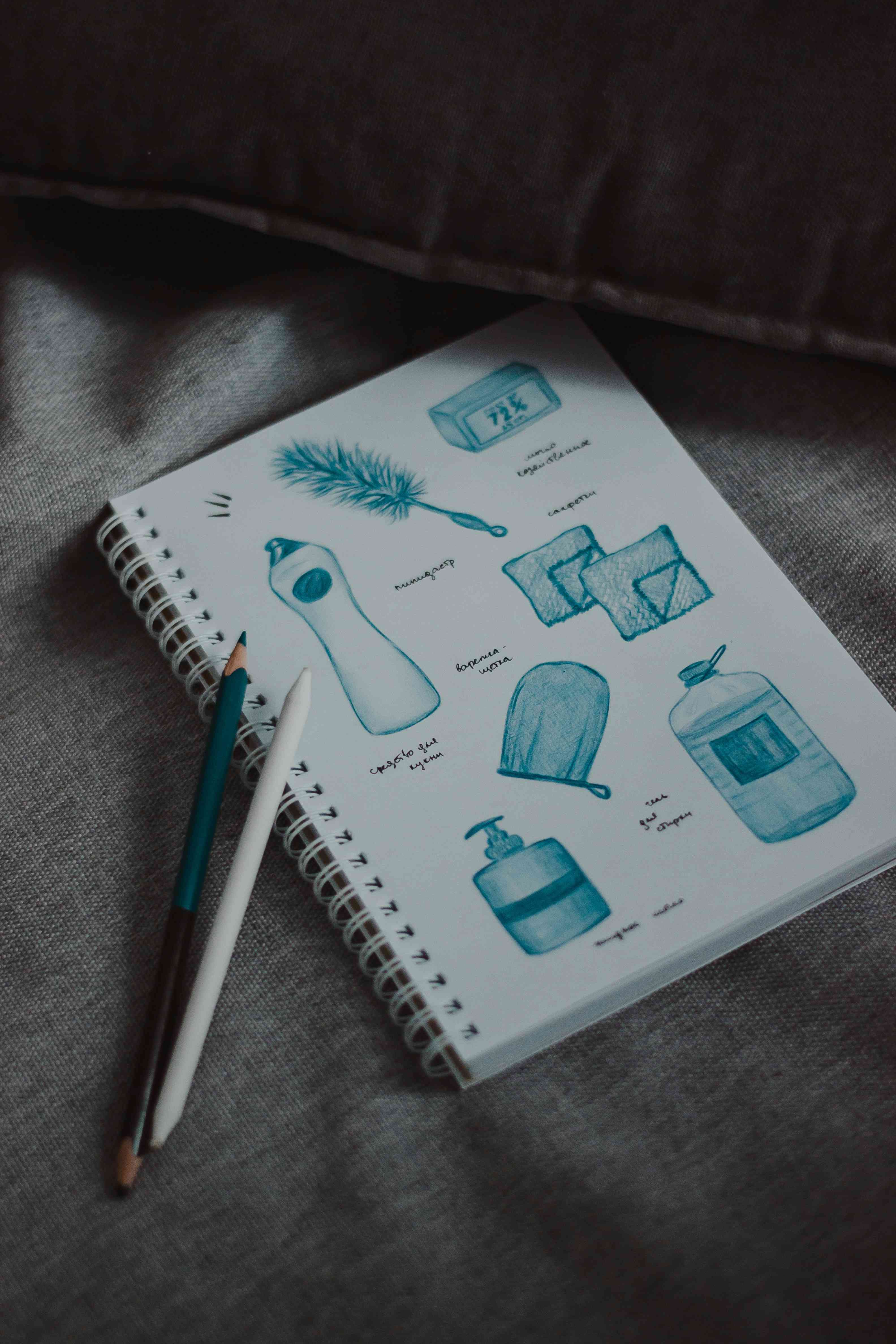
10. Supplies you actually need
You do not need a different product for every job.
- Microfibre cloths and sponges
- A broom, dustpan and mop
- A vacuum cleaner with suitable attachments
- A toilet brush and bathroom brushes
- Glass and surface cleaners
- A degreaser for compatible kitchen surfaces
- Disinfectant where needed
- Gloves and other protective equipment
- Rubbish bags and storage containers
- Long-handled tools for high surfaces
Choose products according to the surface, follow the instructions and never mix chemicals.
11. How often should you clean?
Use this as a starting point and adjust for your household size, pets and how quickly dirt builds up.
- Wiping kitchen worktops: daily or as needed
- Cleaning bathroom sinks and toilets: several times a week or as needed
- Vacuuming high-traffic floors: several times a week or as needed
- Dusting furniture and shelves: weekly or as needed
- Changing bed linen: weekly or as needed
- Cleaning windows and detailed surfaces: monthly or as needed
- Cleaning under furniture and inside cupboards: periodically
- Thorough general or deep clean: according to the condition of the home
Kitchens, bathrooms and busy areas may need more frequent attention.
12. When to call a professional
Professional cleaning is worth considering when:
- You want several rooms cleaned thoroughly and do not have the time
- You are preparing for visitors or new occupants
- You are moving into or out of a house or apartment
- Carpets, upholstery or other surfaces need specialist care
- You want neglected areas dealt with
- Your schedule makes a consistent routine difficult
Before booking, confirm the scope of work, the areas to be cleaned, the products and equipment, and any specialist services that need to be arranged separately.
Brisbane Integrated Facilities Support Limited: One Partner. Complete Facility Solution.
Ready for a spotless space?
Get a free, no-obligation quote from our vetted and insured teams across Nairobi and its environs.
Get a free quote