Grounds Maintenance
Common Lawn Weeds in Nairobi: How to Identify, Prevent and Control Them
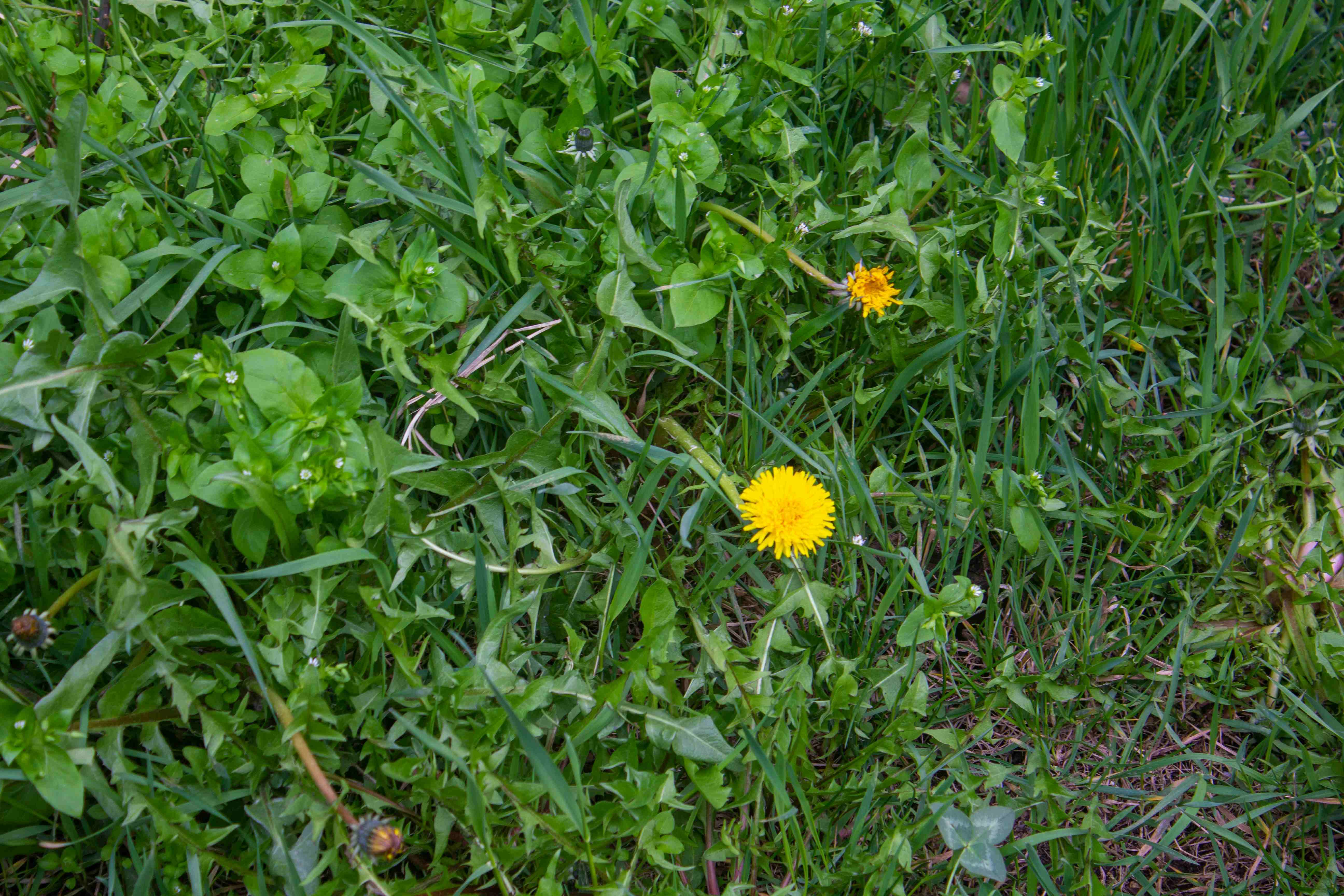
Identify common lawn weeds in Nairobi, from oxalis and nutgrass to black jack, and learn how to prevent and control them. Practical lawn care advice.
Most Nairobi lawns get weeds at some point. The real question is whether you have a few stray plants in an otherwise healthy lawn, or weeds that are taking over because something underneath is wrong.
A few weeds are a simple weeding job. A lawn full of them usually points to a bigger problem: thin grass, compacted soil, poor drainage, irregular mowing or bare patches where weeds can settle. Understanding which one you are dealing with is the first step to controlling lawn weeds for good.
Brisbane Integrated Facilities Support Limited provides landscaping and grounds maintenance for homes, businesses and institutions in Nairobi and surrounding areas. This guide covers the weeds you are most likely to meet, why they appear and what actually works.
Why do weeds take over lawns?
Weeds are opportunists. Give them bare soil, moisture and light and they move in. Nairobi’s lawns vary with soil type, shade, drainage, watering routine and grass species, and while Kikuyu grass can grow vigorously, damaged or neglected areas are still easy for weeds to invade. Common causes are:
- Bare patches: exposed soil gives weed seeds and creeping plants room to establish.
- Compacted soil: heavy foot traffic stops grass roots reaching air and water.
- Poor drainage: soggy areas favour sedges and other moisture-loving weeds.
- Mowing too short: this weakens grass and exposes more soil to light.
- Inconsistent watering: too little thins the grass; too much favours weeds that like wet conditions.
- Neglected edges: weeds along paths, fences, beds and driveways spread into the lawn.
- Letting weeds seed: one flowering weed can produce many more.
Pulling a weed is often the easy part. The more important job is finding out why it got in, and fixing that.
Common weeds in Nairobi gardens and lawns
Correct identification matters because weeds spread in different ways: some by seed, others by creeping stems, underground bulbs, rhizomes or tubers. Which ones you see will vary from one property to another.
1. Oxalis (wood sorrel)
How to spot it: low-growing, with three heart-shaped leaflets that look like small clover leaves, and small yellow, pink or other coloured flowers depending on the species.
Why it persists: it spreads by seed and, in some species, by underground bulbs. Cutting the leaves alone is not enough.
What to do: remove small infestations carefully, taking the underground parts with them where possible, and avoid unnecessary disturbance that scatters bulbs. Check regularly and remove new growth before it seeds. For large infestations, get advice on a control method that suits your grass. A dense lawn leaves Oxalis less room to start.
2. Nutgrass and other sedges
How to spot it: narrow, upright leaves that make it look like grass, but it is a sedge. It often grows faster or taller than the lawn, so patches show up after mowing.
Why it persists: many sedges spread by underground tubers or rhizomes, so pulling the leaves does little. They also thrive where the soil stays wet.
What to do: confirm it is a sedge first. Remove small plants carefully, fix drainage problems and avoid overwatering. For persistent infestations, targeted treatment may be needed. Some herbicides damage lawn grass, so only use a product that is suitable for your grass and follow its label.
3. Couch grass and other creeping grasses
How to spot it: a grass growing where you do not want it, such as in flower beds or borders, or a different type of grass spreading through the lawn.
Why it persists: creeping stems and rhizomes can regrow from any piece left behind.
What to do: where possible, remove the unwanted growth together with the underground stems and recheck for regrowth. Edging and mulch help keep grass out of planted beds. Non-selective herbicides can kill the lawn and ornamental plants they touch, so use only products approved for the purpose and follow the label.
4. Goosegrass and crabgrass-type weeds
How to spot them: goosegrass often forms a flat rosette close to the ground with leaves radiating from the centre. Crabgrass-type weeds spread outwards from a central base and produce distinctive seed heads. Because they resemble lawn grass, look at the growth habit and seed heads.
What to do: remove young plants before they seed, repair bare patches and mow at a suitable height so the lawn fills the gaps. If they keep returning, identify the species before choosing a treatment: products for broadleaf weeds may not work on grassy weeds, and some grass-selective products can harm the lawn.
5. Plantain
How to spot it: a low rosette of broad, strongly veined leaves (broadleaf plantain), though other species have narrower leaves.
Why it persists: it tolerates compacted soil, so it often appears along walkways, driveways and heavily used areas.
What to do: loosen the soil and lift the whole plant, including the crown and root. If it keeps coming back, check for compaction; aeration can help grass recover. Repair thin patches so there is less room for new weeds.
6. Clover
How to spot it: clusters of three leaflets and, in many species, small rounded flower heads.
Good to know: some people like clover because it covers ground and attracts pollinators; others want a uniform lawn. Its presence does not prove the soil lacks nitrogen, so do not fertilise without a reason.
What to do: if you prefer grass, begin by improving the density and health of the lawn. Remove small patches by hand. For larger areas, consider a selective product only after confirming it is compatible with your grass.
7. Black jack (Bidens pilosa)
How to spot it: divided leaves and small flower heads that become seeds with hooked tips. These cling to clothing and animal fur and travel far.
What to do: remove young plants by hand, ideally before they flower and set seed. Wear gloves, bag the plants and dispose of them properly rather than leaving them to drop seed. Inspect fence lines, bare ground and neglected corners regularly, and keep the surrounding ground well covered.
8. Other broadleaf weeds in beds, edges and bare patches
Disturbed soil, neglected flower beds, fence lines and paving joints can support pigweed, chickweed and other local broadleaf species. Identify the plant before treating it, remove small plants before they seed, and use mulch in suitable beds to reduce bare soil, keeping it clear of the crowns of plants you want to keep. If you cannot identify an unfamiliar or aggressive weed, get advice before handling it or applying chemicals, because some weeds irritate skin or are poisonous.
Mowing height matters
A dense lawn shades the soil, takes up growing space and leaves weeds less opportunity. Cutting too short does the opposite. There is no single correct height, because Kikuyu, Bermuda and other grasses have different needs, so:
- Identify the grass in your lawn.
- Use a suitable mowing height for that grass.
- Avoid removing too much leaf in one mowing.
- Keep mower blades sharp.
- Remove thick layers of clippings.
- Look at thin patches early and fix the cause before weeds spread.
Mowing prevents many weeds from setting seed, but it will not eliminate established perennial weeds.
Watering and drainage
A lawn that is watered appropriately develops deeper roots and competes better. Keeping soil continuously wet, however, favours some weeds, including sedges. If one corner stays waterlogged while the rest dries normally, you may have a drainage problem, and correcting it will do more than repeated weeding. Water according to the grass, soil and weather, and consider recent rain rather than following a rigid schedule.
When to deal with weeds in Nairobi
Nairobi has a moderate highland climate with long rains (roughly March to May) and short rains (roughly October to December), and weeds grow fast when moisture is plentiful. As a rule of thumb:
- Before seed formation: remove weeds before mature seeds spread.
- During active growth: weeds are easier to identify and manage when they are growing.
- After rain: moist soil makes hand removal easier, as long as the ground is not waterlogged.
- During lawn repair: fix bare patches and growing conditions at the same time.
- In dry periods: avoid stressing the lawn with very short mowing or unnecessary disturbance.
The best timing depends on the weed. Identify it first and follow the label of any product you use. Keep children and pets away from treated areas as directed on the label.
Why weed-and-feed is not always the answer
A combined weed-and-feed product can be tempting, but your lawn may need fertiliser without needing weed treatment, or the other way around. Grass type, weed species, soil condition and the product label all matter, and some products are unsuitable for certain grasses or nearby ornamentals. Targeting the actual problem is usually cheaper and safer.
When the lawn needs renovation, not just weeding
If a large part of your lawn has thinned and weeds are spreading through the bare soil, removing weeds only helps for a while. If the grass does not recover, new weeds will move in. Renovation may include:
- Improving drainage
- Relieving soil compaction through aeration
- Repairing bare patches with suitable lawn grass
- Adjusting mowing and watering
- Removing weeds before they seed
- Maintaining edges and garden beds
- Applying fertiliser only where it is needed
The aim is a lawn dense enough to crowd weeds out over time, not just fewer weeds today. A completely weed-free lawn is hard to maintain, because seeds and plant fragments arrive on wind, footwear, animals, soil and equipment, but a healthy lawn is far less vulnerable.
Brisbane Integrated Facilities Support Limited: One Partner. Complete Facility Solution.
Ready for a spotless space?
Get a free, no-obligation quote from our vetted and insured teams across Nairobi and its environs.
Get a free quote